Dental Crowns Southgate CA for Tooth Support and Stability
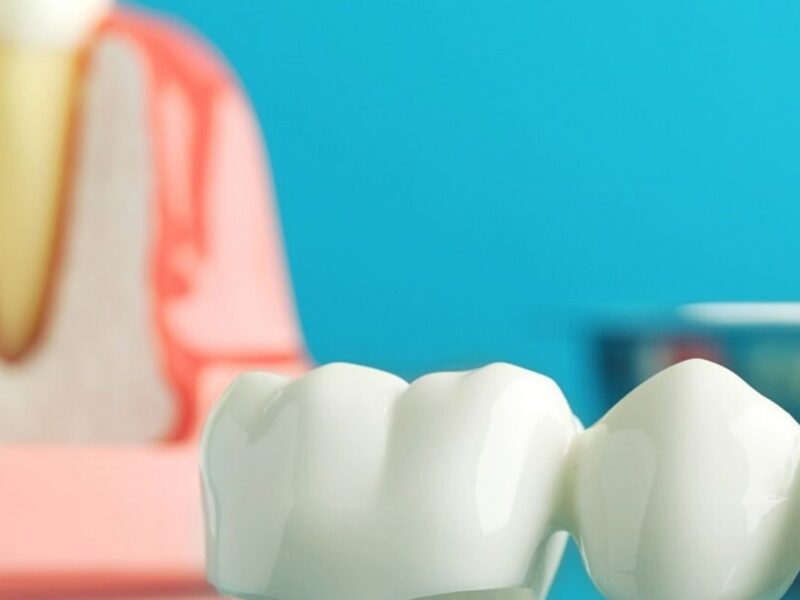
A dental crown does a very specific job. It protects a tooth that can no longer stand up well to everyday pressure on its own. That pressure might come from chewing, grinding, old fillings, a fracture, root canal treatment, or simple wear that has built up over years. When a tooth loses too much structure, a filling is often not enough. The tooth may still be present, but it stops behaving like a strong, reliable part of the bite. That is where a crown becomes less about appearance and more about support and stability.
Patients often assume a crown is mainly cosmetic because it covers the visible part of the tooth. In practice, the cosmetic benefit is only part of the picture. A well-made crown helps a weakened tooth function again. It redistributes biting forces, reduces the chance of further breakage, and allows the dentist to restore shape where the natural tooth has collapsed, chipped, or worn down. For many people, especially those who have postponed treatment until a tooth begins to crack or ache, a crown is what keeps a manageable problem from becoming an extraction.
For anyone researching Dental Crowns Southgate CA, it helps to understand not just what crowns look like, but why dentists recommend them, how they support long-term oral health, and what kind of judgment goes into deciding whether a crown is the right choice.
What a crown actually does
A crown is a custom-made covering that fits over a prepared tooth. It is designed to restore the tooth’s shape, strength, and function. Think of it as reinforcing a damaged structure with a precisely engineered outer shell. The crown does not magically make the original tooth healthy again, but it creates a protective system around what remains.
That distinction matters. If a tooth has a deep cavity, a large failing filling, or a crack running through a cusp, the goal is not merely to patch the surface. The dentist has to evaluate whether enough sound tooth remains to support normal chewing. Molars in particular take a tremendous amount of force. A patient may feel fine while chewing on the other side, then bite into something crisp on the weakened side and hear the small, awful sound that means another piece has broken off.
Crowns are commonly recommended when the tooth structure is too compromised for a simple restoration. A large filling can replace missing material, but it cannot always prevent the remaining walls of the tooth from flexing and splitting. A crown wraps and stabilizes those walls. On back teeth, that can be the difference between years of function and a tooth that fractures below the gum line.
When support becomes the main concern
Not every damaged tooth needs a crown, and not every crown is urgent. The right time depends on how much tooth has been lost, where the damage is located, and how the patient uses their bite.
A small cavity on a front tooth may be handled conservatively with bonding. A heavily restored molar with three old fillings, one cracked cusp, and signs of nighttime grinding is a different story. Even if it is not painful yet, that tooth is living on borrowed time. Many crowns are placed not because the tooth is already failing catastrophically, but because the risk of catastrophic failure is high.
One pattern dentists see often is the tooth that has had repeated repair over the years. A filling becomes a larger filling. Then a corner chips. Then a bite adjustment is needed because the tooth feels high. Then sensitivity starts when chewing. Each repair removes a little more natural structure. Eventually the remaining tooth is no longer stable enough to support another filling. At that point, a crown is the more durable choice.
Another common situation involves root canal treatment. After a root canal, the tooth may no longer hurt, but it is usually more brittle than before. This is especially true for back teeth, where chewing forces are strong and constant. A crown protects that treated tooth from splitting under load.
Signs a tooth may need more than a filling
Patients rarely diagnose this on their own, but they often notice patterns that point in the same direction. Biting pain is a big one, especially if it is sharp and only happens when pressure is released. That can suggest a crack. So can a sensation that the tooth feels “different,” even when there is no obvious cavity or swelling.
Another warning sign is a filling that keeps failing. If the same tooth has been repaired more than once and still chips, traps food, or feels unstable, the issue may be the overall integrity of the tooth rather than the filling material itself.
There is also the simple visual clue of a tooth that looks hollowed out or patchwork, with more restoration than natural enamel showing. In those cases, support and stability are no longer abstract terms. They are the central question.
Why stability matters for the whole bite
A damaged tooth does not operate in isolation. When one tooth becomes weak or painful, patients naturally change how they chew. They avoid pressure on that side. They shift toward the front. They overload the opposite side. Sometimes they clench more because the bite feels uneven and they keep trying to “find” the right position.
That compensation can create problems elsewhere. Muscles get sore. Opposing teeth can wear unevenly. Adjacent teeth may drift if the damaged tooth loses contour or begins to fracture. Food packing between teeth can inflame the gums and lead to bone loss over time. A crown, when designed properly, can restore normal anatomy and help the bite work more evenly again.
This is one reason crown treatment should never be viewed as a generic, one-size-fits-all service. The material matters, the fit matters, and the way the crown contacts neighboring and opposing teeth matters. A crown that looks acceptable but bites too high can cause headaches, jaw strain, or tenderness. A crown with open margins can invite decay underneath it. Precision is not a luxury here. It is the entire point.
Materials and what they mean in real life
Patients often ask which crown material is best. The honest answer is that the best material depends on location, bite force, cosmetic priorities, and the amount of remaining tooth structure.
Porcelain and ceramic crowns are popular because they can look very natural. They are often excellent choices for visible areas and are also used on posterior teeth when the bite and case design support them. Zirconia has become common because it offers impressive strength and can work well in high-stress areas. Porcelain-fused-to-metal crowns still have a role in some cases, though they are less favored in highly cosmetic zones due to the potential for a dark line near the gum over time.
The right decision is not just about strength on paper. It is about how a material performs in a specific mouth. Someone with severe grinding habits may need a different approach than someone with light bite forces and a strong preference for lifelike translucency. A person who has limited room between upper and lower teeth may not be an ideal candidate for every material option. These are the kinds of practical judgments that shape good outcomes.
The crown process, from evaluation to final placement
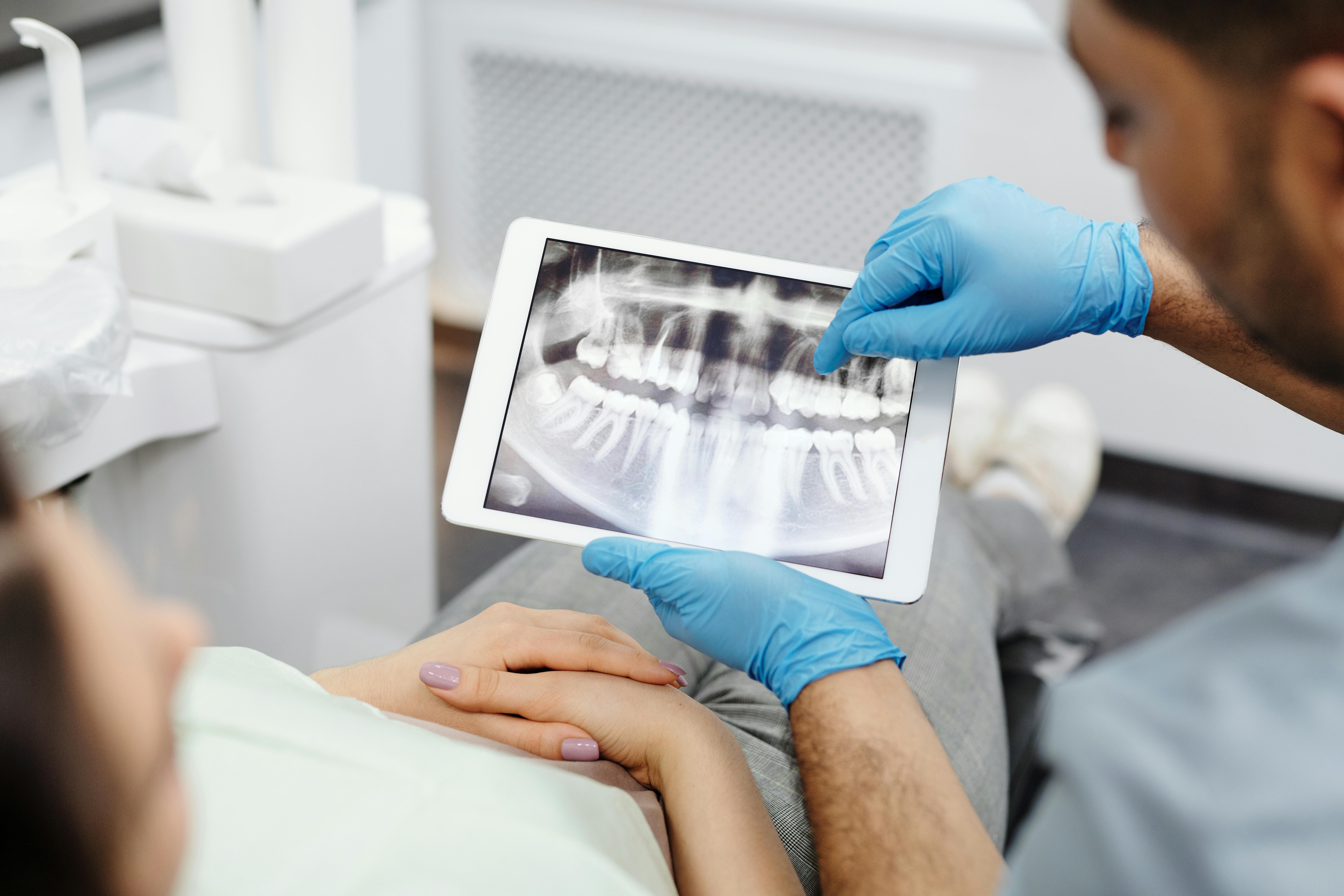
Most crown treatment starts with a careful exam, X-rays, and a discussion of the tooth’s prognosis. The dentist needs to know whether the tooth can be predictably restored. If decay extends too far below the gum line, if a fracture is too deep, or if the supporting bone is poor, a crown may not be enough. That is not a failure of crown treatment. It is a matter of honest diagnosis.
If the tooth is restorable, the dentist reshapes it to make room for the crown and remove weak or diseased structure. Impressions or digital scans are then taken so the lab can fabricate a custom restoration. In many cases, a temporary crown is placed while the final one is made.
Patients sometimes underestimate the importance of the temporary. A well-fitting temporary protects the tooth, keeps it from shifting, and gives both the patient and dentist useful feedback about comfort and bite. If a temporary repeatedly comes off, feels unstable, or reveals persistent pain, that information can signal underlying issues that need to be addressed before final cementation.
When the permanent crown returns from the lab, the dentist checks the fit, contacts, bite, and appearance before cementing it. Small adjustments are common and expected. What matters is not speed, but accuracy.
What a good crown should feel like
A properly fitted crown should not feel foreign for long. Patients may notice it for a day or two simply because it is new, but it should soon blend into the bite. It should allow normal chewing without sharp pain, and floss should pass with gentle resistance rather than shredding or snapping.
The crown should also support the gum tissue. Poor contours can trap plaque and lead to chronic irritation. Good contours allow the area to be cleaned while still protecting the tooth. That balance is part of skilled restorative dentistry and often goes unnoticed by patients until they have experienced a crown that does not fit well.
One practical benchmark dentists use is whether the crown disappears from the patient’s awareness. If it remains constantly noticeable after the initial adjustment period, something deserves another look.
Crowns do not make a tooth invincible
This is one of the most important conversations in any restorative office. A crown strengthens a tooth in a functional sense, but it does not turn that tooth into indestructible hardware. The tooth underneath can still decay. The root can still develop problems. The crown itself can chip, loosen, or wear.
People who clench and grind are a good example. A beautifully made crown may still fail prematurely if the bite forces are extreme and no night guard is used. Patients who drink sugary beverages all day can still develop recurrent decay at the crown margins. Those who chew ice, crack nuts with their teeth, or open packages with them create risks no material can fully overcome.
This is why long-term stability depends on both the restoration and the habits around it. Good dentistry and good maintenance work together. One without the other rarely delivers the lifespan patients hope for.
The role of crowns after fractures and large fillings
Many teeth that end up needing crowns have a history of “just one more repair.” The patient often says some version of, “It only broke a little.” That may be true, but small fractures on weakened teeth tend to be cumulative. Each break usually means the remaining tooth walls are thinner and more stressed.
A crown can be the turning point where the tooth stops cycling through patchwork fixes and gets a more comprehensive restoration. That does not mean every large filling should automatically be crowned, because conservative treatment still matters. But once cusp support is lost, or once a crack line starts influencing how the tooth handles pressure, a crown often becomes the more responsible option.
There is a practical side to this. A well-timed crown can be less costly and less invasive in the long run than repeated emergency repairs. Waiting until a tooth splits beyond repair often means moving from crown treatment to extraction, grafting, and replacement options such as an implant or bridge. The difference in complexity is significant.
What patients in Southgate often want to know
People looking for Dental Crowns Southgate CA usually ask variations of the same core questions. Will it hurt? How long will it last? Can I eat normally again? Is the tooth saveable?
The discomfort is typically manageable. Numbing is used during preparation, and post-appointment soreness is often mild and temporary. The larger concern is usually whether the tooth had underlying inflammation before treatment. A tooth that has been cracked or deeply decayed can be more unpredictable than one being crowned for straightforward structural reasons.
As for lifespan, crowns can last many years, often well over a decade, but no ethical dentist should promise a fixed number. Longevity depends on oral hygiene, bite forces, diet, the amount of remaining tooth structure, and the quality of the fit. A carefully made crown on a patient who brushes well, flosses daily, sees the dentist regularly, and wears a night guard when indicated will usually fare much better than the same crown in harsher conditions.
Most importantly, many patients do return to comfortable chewing after crown treatment, especially when the crown addresses a tooth that has become unstable under function. That sense of relief can be substantial. People stop avoiding one side Dental Crowns Southgate CA of the mouth. Meals become less cautious. The tooth feels dependable again.
Situations where a crown may not be the answer
A crown is valuable, but it has limits. If a crack extends into the root, if decay leaves too little healthy tooth above the gum line, or if the tooth has severe periodontal support loss, a crown may not solve the problem predictably. Sometimes a buildup and crown can work only if additional procedures are done first, such as crown lengthening or root canal therapy. Other times the wiser recommendation is extraction.
This is where experience matters. Overpromising on a questionable tooth is not good service. A patient may desperately want to save it, and dentists Dental Crowns Southgate CA understand that. But if the tooth has a poor long-term prognosis, a crown can become an expensive delay rather than a stable solution. Sound judgment means knowing when restoration is strong medicine and when it is not enough.
Caring for a crown so it lasts
Maintenance is usually straightforward, but it should be intentional. Crowns fail most often from decay at the margins, bite-related problems, or neglect of surrounding gum tissue. Home care makes a measurable difference.
Here are the habits that tend to protect a crown best:
- Brush thoroughly twice a day, paying close attention to the gumline around the crown.
- Floss daily so plaque does not accumulate where the crown meets the natural tooth.
- Keep regular dental visits so bite changes, leaking margins, or small chips are caught early.
- Use a night guard if you clench or grind, especially if you have cracked teeth or multiple restorations.
- Avoid using teeth as tools and be cautious with ice, hard candies, and similarly unforgiving foods.
Those basics sound simple because they are, but in practice they are what separate crowns that remain stable for many years from crowns that develop problems early.
Choosing care with an eye on fit, function, and judgment
When people search for Dental Crowns Southgate CA, they are not just shopping for a procedure. They are looking for a dental team that can evaluate the tooth honestly, explain the trade-offs, and deliver a crown that works in the real conditions of everyday life. The visible result matters, but the deeper value lies in how the tooth performs at breakfast, during a long workday, and years down the road.
A strong crown is rarely about one dramatic feature. It is about many small things done well. The diagnosis has to be accurate. The preparation has to preserve what can be preserved while creating proper support. The lab work has to be precise. The bite has to be checked carefully. The patient has to understand how to maintain the result.
That may not sound glamorous, but it is exactly how durable restorative dentistry is built. Teeth fail for practical reasons, and they are saved by practical solutions. When a crown is recommended thoughtfully and placed well, it can restore more than a damaged tooth. It can restore confidence in chewing, comfort in the bite, and stability in a part of the mouth that has started to feel unreliable.
For patients dealing with cracks, large old fillings, broken cusps, or post-root-canal fragility, a crown often represents the point where dentistry shifts from repeated repair to real structural support. That is why crowns remain such an important treatment option, and why the conversation around Dental Crowns Southgate CA is ultimately about preserving function as much as preserving teeth.
Simple Dental South Gate
Address: 8617 California Ave, South Gate, CA 90280
Phone number: +13236896118
FAQ About Dental Crowns Southgate CA
How much do crowns cost per tooth?
In the United States, a single dental crown typically costs between $800 and $2,500 per tooth without insurance. The ultimate out-of-pocket price depends heavily on the crown material, the location of the tooth, and whether you have dental insurance coverage.
What is the downside of crowns on teeth?
The primary downside of a dental crown is that the procedure permanently removes natural tooth enamel to shape the tooth for the cap.
Why do dentists push for crowns?
Dentists recommend crowns because a large filling cannot provide enough strength when a tooth loses a major portion of its structure or faces heavy chewing pressure.