Finding the Best Dental Crowns Southgate CA for Your Needs
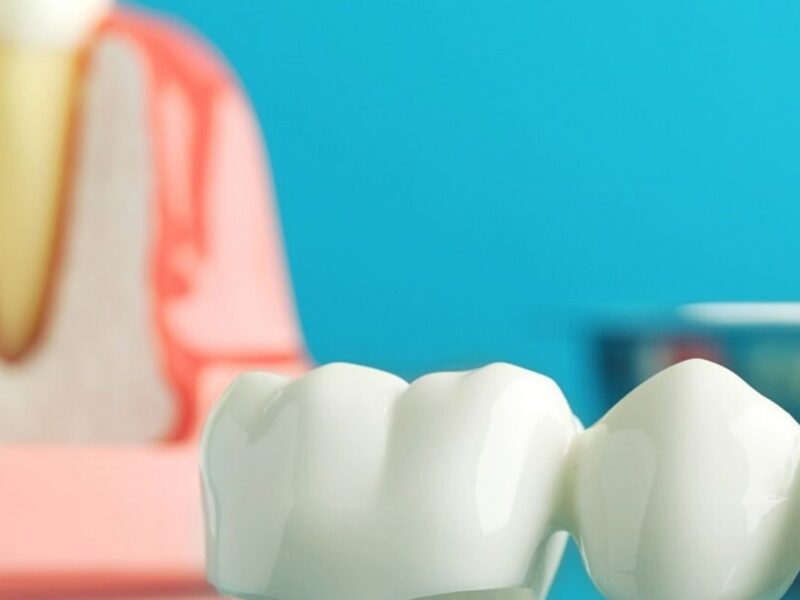
A dental crown sounds simple on paper. It is a cap placed over a damaged tooth to restore shape, strength, and appearance. In real life, choosing the right crown is rarely that simple. The best option depends on where the tooth sits in your mouth, how much healthy structure remains, whether you grind your teeth, what you want it to look like, and what you can reasonably spend.
That is why patients searching for Dental Crowns Southgate CA often get overwhelmed fast. One office talks about zirconia. Another recommends porcelain fused to metal. Someone else says an all ceramic crown looks most natural. Then there is the question of whether a root canal changes the recommendation, whether insurance will cover part of it, and whether the least expensive choice now will hold up five or ten years from today.
A crown is not just a product. It is part material science, part bite mechanics, part cosmetic judgment, and part skilled preparation by the dentist and lab. The right crown can disappear into your smile and function comfortably for years. The wrong one can feel bulky, chip, trap food, irritate your gums, or fail earlier than it should.
What a crown is really meant to fix
Most people need a crown for one of a few practical reasons. A tooth may be cracked, heavily filled, weakened after root canal treatment, worn down from grinding, or badly broken from decay. Sometimes the issue is largely cosmetic, such as a misshapen front tooth or severe discoloration that veneers cannot adequately address. In other cases, the crown is used as the visible part of a dental implant or to anchor a bridge.
The key point is that a crown should solve a structural problem, not create a new one. A well planned crown protects a compromised tooth while preserving as much natural tooth as possible. That balance matters. If a dentist recommends a crown, it is fair to ask why a crown is the best option instead of a large filling, an onlay, or another more conservative restoration.
In practice, the strongest treatment plans come from careful diagnosis. A dentist should evaluate the amount of remaining tooth structure, the condition of the nerve, the health of the gums, and the way your upper and lower teeth meet. Crowns fail for reasons that often have little to do with the crown itself. Hidden cracks, untreated gum disease, poor bite alignment, and nighttime clenching can shorten the life of even an excellent restoration.
The first question to ask, where is the tooth?
If you remember only one thing, remember this: the best crown for a front tooth is not always the best crown for a molar.
Front teeth demand natural translucency, color blending, and lifelike shape. Back teeth take enormous chewing force and need durability above all else. Premolars sit somewhere in between, where both strength and appearance matter. This is why broad claims like “zirconia is best” or “all porcelain is best” are not especially useful without context.
A crown on a front tooth needs to look alive in changing light. Human enamel is not flat white. It has depth, subtle gray or amber tones, and a kind of light transmission that cheap restorations often miss. A crown on a molar, by contrast, can be slightly less artistic if it is exceptionally strong and comfortable to bite on.
That location-based thinking is one of the biggest differences between rushed treatment and thoughtful treatment. Good dentists do not just place crowns. They match the crown design to the job the tooth has to do every day.
Understanding the main crown materials without the sales pitch
Patients often hear material names before they hear a clear explanation of why one material fits their case better than another. Here is the practical view.
Porcelain fused to metal crowns have been used for many years and can be reliable. They combine a metal substructure with a porcelain exterior. Their biggest advantage is a long track record and decent strength. Their downside is cosmetic. Over time, a dark line near the gum can become visible, especially if the gums recede. They also do not transmit light as naturally as some metal-free options.
All ceramic or all porcelain crowns are often favored for visible front teeth because they can look very natural. The exact type of ceramic matters. Some ceramics offer beautiful translucency but may not be ideal for patients with heavy bite forces or severe grinding. In the right case, though, they can blend remarkably well.
Zirconia crowns have become popular because they are strong and increasingly aesthetic. Earlier zirconia restorations could look opaque, which limited their appeal for highly visible front teeth. Newer versions are more refined, and for many back teeth, zirconia is a sensible choice. It is often a strong option for patients who clench or grind, though bite design still matters tremendously.
Gold or high noble metal crowns remain one of dentistry’s best kept secrets. Many patients decline them because of appearance, yet dentists often respect them deeply for back teeth. They are durable, kind to opposing teeth when polished properly, and require less tooth reduction Dental Crowns Southgate CA than some alternatives. If a molar is far back and not visible, a gold crown can be an excellent long term decision. It just does not suit everyone cosmetically.
No material is universally “best.” The better question is, best for what purpose, in which part of the mouth, under what bite conditions, and at what budget.
Why the dentist matters as much as the crown
Patients understandably focus on the crown material, but a crown is only as good as the preparation, impression or scan, margin placement, and bite adjustment. A premium zirconia crown placed on a poorly shaped tooth prep can fail sooner than a more modest crown made and seated with precision.
The margin is especially important. That is the edge where the crown meets the natural tooth. If that junction is rough, open, or poorly positioned, plaque collects more easily, gums become irritated, and decay can start underneath the crown. Many patients assume that once a crown is cemented, the tooth is “fixed forever.” In reality, recurrent decay at the margin is one of the most common reasons crowns need replacement.
Fit matters too. Even a tiny discrepancy in your bite can make a crown feel high. Some people adapt. Others develop soreness, headaches, jaw tension, or sensitivity when chewing. An experienced dentist checks the crown not just for static contact, but for how your teeth slide and function together.
Shade matching is another area where skill shows. A single front crown can be one of the most technically demanding restorations in dentistry. Matching neighboring natural teeth takes more than selecting “white A2” from a shade guide. Light conditions, tooth texture, translucency near the edge, and gum framing all affect the final result.
That is why the search for Dental Crowns Southgate CA should include more than “who is cheapest” or “who can do it fastest.” You want a clinician who diagnoses carefully, explains trade-offs honestly, and has a consistent process for precision.
Same-day crowns versus lab-made crowns
Same-day technology appeals to busy people, and for good reason. In one visit, the tooth is prepared, digitally scanned, milled, and placed. For some cases, this is convenient and effective. It eliminates the temporary crown phase, which many patients dislike.
Still, convenience should not be confused with automatic superiority. Lab-made crowns can offer advantages in complex cases, especially when esthetics are critical or bite details are challenging. A skilled dental lab technician can layer, contour, and characterize a crown in ways that chairside systems may not always match, particularly for single front teeth.
Same-day crowns are often perfectly suitable for many premolars and molars, assuming the dentist selects the right case and material. For highly visible areas or unusual bite patterns, a traditional lab route may produce a more refined result. The right choice depends on the case, not the marketing.
Cost, insurance, and the expensive mistake of looking only at price
Crowns are not inexpensive, and cost matters. In Southern California, fees can vary significantly based on the material used, the complexity of the case, the office, and whether additional treatment is needed, such as core buildup, root canal therapy, gum contouring, or replacement of a failing old crown.
Insurance often covers a portion of a crown if it is considered medically necessary, but coverage details can be surprisingly specific. Some plans downgrade benefits to a less expensive material, even if the dentist recommends a better aesthetic option. Others have frequency limitations, waiting periods, or exclusions for teeth with certain histories.
The cheapest crown is often not the least expensive crown over time. If a crown fits poorly, breaks, or has to be replaced early, the total cost rises fast. There is also the hidden cost of lost work time, discomfort, retreatment, and potentially losing more of the natural tooth structure during replacement.
Patients do well when they ask for a clear breakdown. Is the quoted fee only for the crown itself, or does it include the exam, X-rays, temporary crown, buildup, and follow-up adjustments? Vague estimates can turn into unpleasant surprises.
Signs that a practice takes crown work seriously
A good consultation usually feels calm and specific. The dentist examines the tooth, reviews X-rays, discusses symptoms, and explains why a particular type of crown makes sense. They should Dental Crowns Southgate CA also mention alternatives if appropriate.
Here are a few signs you are getting thoughtful crown planning:
- The dentist explains the condition of the tooth in plain language, not just the price.
- They discuss material choices in relation to your bite, tooth location, and cosmetic goals.
- They evaluate habits like grinding or clenching and mention a night guard when relevant.
- They talk about the lifespan of the restoration in realistic terms, not guarantees.
- They answer questions about fit, appearance, and maintenance without rushing.
That kind of conversation usually reflects a clinician who understands that restorative dentistry is part engineering and part judgment.
How long do dental crowns typically last?
There is no responsible way to promise an exact number of years. In practice, many crowns last well over a decade, and some last much longer. Others fail earlier because of decay at the margin, root fracture, trauma, poor home care, or heavy grinding.
What shortens crown life most often is not dramatic failure, but ordinary neglect. A crown still sits on a natural tooth, and that tooth can decay where the crown edge meets the enamel or dentin. If someone assumes a crowned tooth no longer needs flossing attention, they set up the restoration for trouble.
Patients who get the most from their crowns usually share a few habits. They brush thoroughly along the gumline, floss or use interdental cleaners daily, return for maintenance visits, and address clenching if it is present. A night guard can dramatically improve the prognosis of crowns in patients who grind in their sleep.
Front tooth crowns require a different level of planning
A front crown deserves special mention because patients tend to notice every detail. Shape, color, length, and symmetry can affect the whole expression of a smile. Even a technically acceptable crown can feel disappointing if it is too opaque, too square, too long, or too bright compared with neighboring teeth.
One recurring challenge is replacing an old front crown when the surrounding natural teeth have changed over time. Teeth darken slightly with age. Fillings stain. Gum levels shift. A new crown may force a broader conversation about whitening, contouring, or treating adjacent teeth if the goal is a seamless match.
This is where communication matters. Bringing photos of your smile from a few years back can sometimes help. So can being honest about your priorities. Some patients want the crown to disappear completely. Others are happy if it is healthy, secure, and generally harmonious. There is no wrong preference, but the dentist needs to know which outcome matters most to you.
When a crown may not be the right answer
Not every damaged tooth should be crowned. If the crack extends too far below the gumline or into the root, the tooth may not be restorable. If there is not enough healthy tooth structure left to retain the crown predictably, additional procedures may be needed, or extraction may be more sensible. In other cases, a conservative onlay or inlay can preserve more natural tooth than a full crown.
Patients sometimes arrive hoping a crown can rescue any tooth as long as they are willing to pay for it. Good dentistry is more selective than that. Saving a tooth is often worth pursuing, but not when the foundation is poor. A crown placed on a hopeless tooth only delays a harder conversation.
The best dentists are candid about prognosis. That honesty can be hard to hear in the moment, but it prevents avoidable expense and frustration.
Questions worth asking before you commit
A short, direct conversation can tell you a lot about whether the recommendation fits your needs. You do not need to sound technical. Straightforward questions are often the most useful.
You might ask what material they recommend and why for that specific tooth. Ask how the crown will be made, whether temporary sensitivity is common, and what the realistic lifespan is in your case. If you grind your teeth, ask how that changes the treatment plan. If appearance is a priority, ask whether they take shade photos or work closely with a lab on cosmetic cases.
If a recommendation sounds one size fits all, keep looking. Crowns work best when the plan feels individualized.
Living with a crown after placement
A new crown should not feel foreign for long. The first day or two can involve slight awareness, especially if the gum is tender from the appointment. Mild sensitivity to temperature can happen, though it usually settles. What should not persist is a sensation that the tooth is too tall, a sharp edge that catches your tongue, pain when biting down, or food packing consistently around the crown.
When patients ignore those issues for weeks, small problems can become larger ones. A bite adjustment can be quick. A polished rough area can make a big difference. Follow-up care is part of the process, not a sign that the crown failed.
Long term, a crown should become unremarkable. You should be able to chew normally, clean around it comfortably, and largely forget it is there. That quiet success is the real mark of good restorative work.
Finding the right fit in Southgate
If you are comparing options for Dental Crowns Southgate CA, look beyond branding and before-and-after promises. Focus on diagnostic thoroughness, clarity of communication, and whether the office seems to tailor care to the actual tooth in front of them. A strong crown result comes from many small decisions made well, from material selection to margin design to bite refinement.
Patients in Southgate are not all looking for the same thing. One person may need a durable molar crown that stands up to years of grinding. Another may need a front crown that blends so naturally nobody notices it. A third may be weighing whether to restore an old root canal treated tooth before it fractures. Those are different problems, and they deserve different answers.
The best crown for your needs is the one that respects both function and context. It should match the job the tooth has to do, the way your bite works, the look you want, and the investment you are comfortable making. When those pieces line up, a crown stops being a source of stress and becomes what it should have been all along, a dependable restoration that lets you eat, speak, and smile without second guessing it.
Simple Dental South Gate
Address: 8617 California Ave, South Gate, CA 90280
Phone number: +13236896118
FAQ About Dental Crowns Southgate CA
How much do crowns cost per tooth?
In the United States, a single dental crown typically costs between $800 and $2,500 per tooth without insurance. The ultimate out-of-pocket price depends heavily on the crown material, the location of the tooth, and whether you have dental insurance coverage.
What is the downside of crowns on teeth?
The primary downside of a dental crown is that the procedure permanently removes natural tooth enamel to shape the tooth for the cap.
Why do dentists push for crowns?
Dentists recommend crowns because a large filling cannot provide enough strength when a tooth loses a major portion of its structure or faces heavy chewing pressure.