The Benefits of Ceramic Dental Crowns
A well-made crown does more than cover a damaged tooth. It restores shape, strengthens what remains, protects against further breakdown, and gives people the confidence to smile without thinking about one dark tooth in the back corner or one chipped front tooth that catches the light every time they speak. Among the many materials available for crowns, ceramic has earned a strong reputation for one reason above all: it can solve a functional problem without looking like a compromise.
For patients weighing their options, the conversation often starts with appearance and ends with durability. That is understandable. Most people want a restoration that blends in naturally and lasts long enough to justify the cost and effort. Ceramic dental crowns meet that need well, especially when the case is chosen carefully and the dentist matches the material to the location of the tooth, the bite forces involved, and the patient’s habits.
The value of ceramic is not just cosmetic. In practice, its benefits touch nearly every concern patients bring into the treatment room, from biocompatibility to confidence in social settings to preservation of surrounding teeth. Like any restoration, it has limitations. But when used thoughtfully, a ceramic crown can be one of the most satisfying treatments in restorative dentistry.
Why ceramic crowns have become such a trusted option
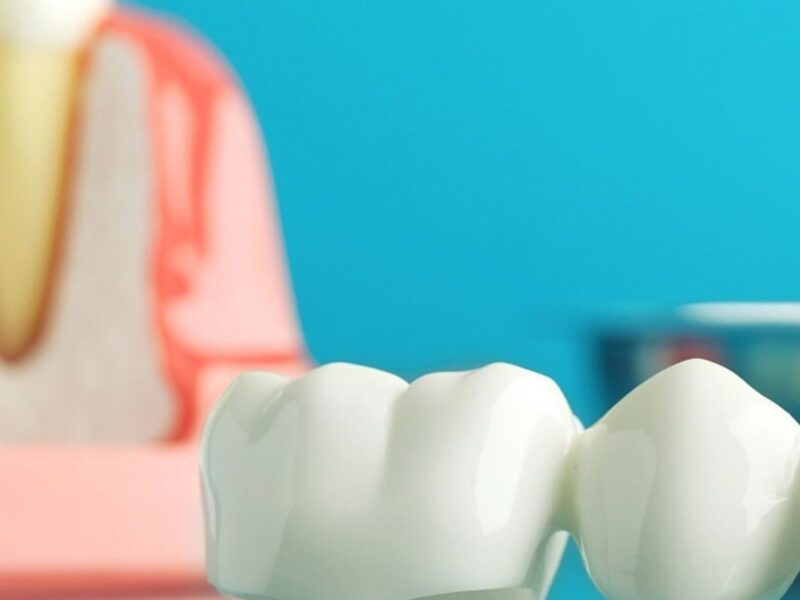
A dental crown is a custom cap that fits over a prepared tooth. It is typically recommended when a tooth has lost too much structure to be restored predictably with a filling, or when the tooth needs protection after root canal treatment, fracture repair, or severe wear. Crowns can be made from several materials, including porcelain fused to metal, zirconia, gold alloys, and other ceramics.
Ceramic crowns stand out because they can closely mimic the translucency and color variation of natural enamel. A healthy tooth is not one flat shade of white. It has depth, subtle warmth, and a way of reflecting light that changes depending on the angle and the environment. Ceramic can reproduce that effect far better than many older crown materials.
That matters most in the front of the mouth, of course, but patients often care about it in the premolar region as well. Even a crown on a side tooth can become visible when laughing, speaking, or taking photos. People are often surprised by how much they notice a single restoration that does not match. The reverse is also true. When a ceramic crown is done well, most people stop thinking about that tooth altogether, which is usually the mark of good dentistry.
A natural look that does not draw attention
The most obvious benefit of ceramic dental crowns is aesthetics, but that word can sound Dental Crowns simpledentalca.com more superficial than it is. A person with a heavily restored, broken, or discolored front tooth often changes behavior in subtle ways. They smile with lips closed. They turn slightly in photos. They cover their mouth while laughing. Restoring that tooth to a natural appearance is not vanity, it is relief.
Ceramic materials offer excellent color matching because they come in a broad range of shades and can often be layered or characterized to resemble neighboring teeth. Small details make a difference. The edge near the gum should not look opaque and blocky. The surface texture should not be unnaturally smooth. The shape should fit the person’s age, facial features, and the character of nearby teeth. A crown that is technically sound but visually generic tends to look like dental work. Ceramic gives the dentist and lab technician a much better chance of avoiding that problem.
This is one reason ceramic crowns are commonly chosen for front teeth. In many cases, especially when replacing an older crown with a dark metal margin near the gumline, the improvement can be striking. Patients often describe it not as having a prettier tooth, but as getting their own smile back.
Metal-free restorations appeal to many patients for good reason
Another major advantage is that ceramic crowns are metal-free. For some patients, this is primarily an aesthetic preference. Metal margins can sometimes become visible over time, particularly if the gums recede slightly. That thin gray line at the edge of an older crown is a common reason people seek replacement.
For others, the appeal is biological or practical. Some patients have sensitivities to certain metals, while others simply prefer a restoration without metal components. Ceramic is generally well tolerated by soft tissues, and gums often respond nicely when the crown margins are smooth, clean, and properly fitted. In everyday terms, that can mean less irritation and a more natural appearance at the gumline.
It is worth noting that a crown material does not work in isolation. The quality of the fit, the polish, the bite adjustment, and oral hygiene all affect gum health. Still, ceramic has a strong record as a biocompatible option, and that contributes to its popularity.
Strength where it counts, provided the case is chosen wisely
One old misconception is that ceramic crowns look good but are too fragile for real use. That was more true decades ago than it is now. Modern dental ceramics are far stronger and more versatile than earlier generations. Some are designed with beauty as the top priority, others with strength, and some aim for a balance of both.
In practice, the ideal material depends on the tooth and the patient. A front tooth crown may prioritize lifelike translucency. A molar crown for a patient who clenches at night may call for a tougher ceramic, such as zirconia-based material, or a different restorative plan altogether. The term ceramic covers more than one product, and that nuance matters.
When properly selected, designed, and bonded or cemented, ceramic crowns can function very well for many years. A common range often cited for crown longevity in general is around 10 to 15 years, though some last much longer and some fail earlier. The variables are familiar to any experienced clinician: bite forces, grinding habits, decay risk, gum health, the amount of remaining tooth structure, and whether the patient returns for regular maintenance.
A ceramic crown is not indestructible. Nothing in dentistry is. But for many patients, it offers a highly effective balance between appearance and daily function.
Conservative treatment can preserve more of what matters
People sometimes assume a crown means the tooth is being completely replaced. It is not. A crown covers and reinforces the remaining tooth structure, which makes preservation of healthy tissue an important part of treatment planning. Depending on the type of ceramic used and the design of the restoration, some cases can be managed with a more conservative preparation than older crown systems required.
That does not mean every ceramic crown is minimally invasive. Severely broken teeth, teeth with large old fillings, or teeth that have had root canal treatment often need substantial reshaping to create enough space and retention for the restoration. Still, advances in ceramic materials and adhesive techniques have broadened the situations in which a durable restoration can be made without removing more tooth than necessary.
That matters over the long term. Teeth do not improve with repeated drilling. The more natural structure that can be preserved while still delivering a predictable result, the better the odds of keeping the tooth healthy and useful for years.
Ceramic can feel more like a real tooth in everyday life
Patients rarely ask whether a crown will look good and stop there. They also want to know whether it will feel normal. That question is harder to answer in a simple sentence, because “normal” depends on contour, fit, bite, and the adaptation period after placement. Even so, a well-made ceramic crown often integrates smoothly into the mouth.
Because ceramic can be shaped and polished to a refined finish, it can feel very natural against the tongue and cheeks. That matters more than many people expect. A crown that is slightly bulky, over-contoured, or rough can become irritating every time the patient speaks or eats. When the anatomy is right, most patients stop noticing the restoration within days to weeks.
The surface quality of ceramic also helps Dental Crowns with stain resistance. It does not behave exactly like enamel, but a polished ceramic crown generally holds its appearance well compared with some other restorative materials. Coffee, tea, and red wine habits still matter, particularly around the margins and neighboring teeth, yet the crown itself often remains stable in color for a long time.
Better gum aesthetics at the margin
The edge where the crown meets the gum is one of the most important and most overlooked parts of the restoration. A front tooth crown can have a beautiful shade and still fail aesthetically if the margin looks harsh, opaque, or dark. Ceramic has a real advantage here.
Without an underlying metal substructure, the crown margin can transmit light in a way that more closely resembles natural tooth tissue. This creates a softer transition at the gumline, especially in patients with thin or highly scalloped gums where every detail shows. Dentists who work often in the aesthetic zone know that this is where ceramic earns its keep.
There is also a practical benefit. When tissues remain healthy and the margin is well adapted, the crown is easier to clean around and tends to remain visually stable. Inflamed gums can make even a technically good crown look poor. A ceramic restoration with thoughtful contouring can support healthier soft tissue behavior, provided the patient brushes and flosses consistently.
Situations where ceramic crowns are especially useful
Ceramic crowns are not ideal for every tooth in every person, but they are excellent in many common scenarios. They are especially compelling when appearance carries high importance and when the treatment team wants to avoid visible metal.
The following situations often make ceramic an attractive choice:
- Front teeth with fractures, large fillings, discoloration, or old crowns that no longer match.
- Premolars that show when smiling and need both reinforcement and a natural appearance.
- Teeth that have undergone root canal treatment and need full coverage for protection.
- Patients who prefer metal-free restorations for aesthetic or personal reasons.
- Cases where gumline appearance is critical, especially in people with high smile lines.
This does not mean ceramic is automatically best in all five situations. A heavy grinder with repeated chipping history may need a different material selection, a night guard, or a broader bite evaluation before proceeding.
The emotional benefit is real, even in highly practical patients
Dentistry is full of technical language, but the patient experience is often simpler. They want to chew without pain, stop worrying about a cracked tooth, and look like themselves. Ceramic crowns often deliver a psychological benefit that is easy to underestimate until you see it happen.
A patient who has hidden one dark tooth for years may become more expressive after treatment. Another may stop postponing family photos. Someone who kept postponing repair of a broken premolar because it “wasn’t in front” may realize how much that sharp edge had been bothering them every day. These shifts are not abstract. They affect comfort, confidence, and willingness to engage socially.
That emotional dimension should not override sound treatment planning. A beautiful crown on a tooth with an untreated bite problem or poor gum support is not a success. Still, when function and aesthetics align, the result can be quietly transformative.
What patients should weigh before choosing ceramic
No crown material is perfect, and a balanced discussion matters. Ceramic crowns can chip or fracture, particularly if there is insufficient thickness, an unfavorable bite, or a habit such as clenching, nail biting, or chewing ice. Some ceramic systems are stronger than others, but all require thoughtful planning.
Cost can also be a factor. Ceramic crowns are often comparable in price to other high-quality crown options, though fees vary widely by region, complexity, and whether a specialist or high-end laboratory is involved. Cases that demand fine color matching and custom characterization may cost more than straightforward posterior crowns. Patients should know that they are paying not only for the material, but also for design, clinical precision, and laboratory craftsmanship.
Matching one front tooth can also be more difficult than patients expect. Natural teeth are not static. They vary in hue, translucency, and wear. If the neighboring teeth are heavily stained, worn, or mismatched already, the dentist may need to discuss whitening or broader cosmetic treatment to achieve the best result. One crown can improve a smile dramatically, but it cannot always fix an entire color imbalance by itself.
Then there is wear on opposing teeth, a concern patients sometimes hear about and misunderstand. Highly polished ceramic is generally kinder to the opposing dentition than rough or poorly glazed surfaces. Material choice and finishing quality matter greatly here. A crown that is adjusted chairside and left rough can create unnecessary wear, while a properly polished restoration is much less problematic.
The process affects the outcome as much as the material
People often ask whether ceramic crowns are “worth it,” as if the material alone determines the answer. It does not. The outcome depends heavily on diagnosis, preparation design, impression or scan accuracy, bite records, laboratory communication, and final cementation. A premium material cannot rescue poor planning.
A well-run crown process usually includes a discussion about goals, shade, bite habits, and alternatives. The tooth is prepared carefully, often scanned digitally or captured with a conventional impression, and protected with a temporary crown while the final restoration is made. At the delivery visit, the dentist checks the fit, contacts, shade, and bite before bonding or cementing the crown. In more demanding front tooth cases, small refinements can make the difference between “good enough” and seamless.
Patients can improve their odds of success by asking practical questions. What kind of ceramic is being used? Why is it suitable for this tooth? Do I grind my teeth, and if so, do I need a night guard? How long is the temporary phase? What can realistically be achieved with shade matching? These are useful questions, not difficult ones.
Caring for a ceramic crown so it lasts
A crown does not protect a tooth from every problem. The porcelain or ceramic itself cannot decay, but the tooth underneath and around the margin still can. Gum disease can still develop. Cement can wash out over time. Bite forces can still damage the restoration. Daily habits remain decisive.
A few care principles make a real difference:
- Brush twice daily and clean between the teeth, especially where the crown meets the gum.
- Avoid using crowned teeth to crack nuts, tear packaging, or chew ice.
- Wear a night guard if you clench or grind during sleep.
- Keep regular dental visits so small issues can be caught early.
- Report any looseness, persistent sensitivity, or roughness before it becomes a bigger repair.
These habits sound simple because they are, but they extend the life of almost every restoration in dentistry.
Ceramic crowns and long-term value
Value in dentistry is not just about the initial fee. It is about how well the treatment solves the problem, how naturally it functions, how stable it remains over time, and whether the patient feels the result was worth the effort. Ceramic crowns often score well on all four counts.
From a restorative standpoint, they are especially valuable because they address both mechanics and appearance. If a weakened tooth is restored with a material that functions well but leaves the patient self-conscious, the treatment is incomplete. If it looks excellent but cannot tolerate the bite, that is incomplete too. Ceramic often bridges that divide better than many alternatives.
There is also value in predictability. In experienced hands, ceramic crowns offer a familiar, versatile solution for cracked teeth, heavily restored teeth, and aesthetically important teeth. They are not exotic or experimental. They are a mature treatment option with a long track record and continually improving materials.
Choosing the right crown is really about choosing the right plan
When patients compare dental crowns, they often focus on brand names or material labels. Those details matter, but the better question is whether the overall plan fits the tooth, the bite, and the person. A ceramic crown on the wrong tooth for the wrong patient can disappoint. A ceramic crown selected for the right reasons can be excellent.
That is why good dentists tend to speak in specifics rather than slogans. They look at where the tooth sits in the mouth, how much healthy structure remains, how the patient bites, what aesthetic demands exist, how thick the material can be made, and whether the gums are stable. Sometimes ceramic is clearly the best choice. Sometimes it is one good option among several. Sometimes a different material is safer.
For the patient, that individualized judgment is the real benefit behind the material. Ceramic crowns are not popular simply because they are attractive. They are popular because, in the right cases, they restore teeth in a way that is strong, biologically friendly, visually convincing, and deeply practical. That combination is hard to beat.
A crown should disappear into the smile and into daily life. Ceramic gives dentistry one of its best chances to make that happen.
Simple Dental South Gate
Address: 8617 California Ave, South Gate, CA 90280
Phone number: +13236896118
FAQ About Dental Crowns
How much do crowns cost per tooth?
In the United States, a single dental crown typically costs between $800 and $2,500 per tooth without insurance. The ultimate out-of-pocket price depends heavily on the crown material, the location of the tooth, and whether you have dental insurance coverage.
What is the downside of crowns on teeth?
The primary downside of a dental crown is that the procedure permanently removes natural tooth enamel to shape the tooth for the cap.
Why do dentists push for crowns?
Dentists recommend crowns because a large filling cannot provide enough strength when a tooth loses a major portion of its structure or faces heavy chewing pressure.