Why More People Are Choosing Dental Crowns Southgate CA
A healthy smile rarely stays healthy by accident. Teeth crack, old fillings fail, enamel wears down, and sometimes a tooth that looks fine from the outside is much weaker than it appears. That is one reason more patients are asking detailed questions about crowns, not as a cosmetic luxury, but as a practical way to save teeth they would rather keep.
Across local practices, interest in Dental Crowns Southgate CA has grown for a simple reason. People want treatments that solve more than one problem at once. A crown can restore strength, improve appearance, protect a tooth after a root canal, and help a person chew comfortably again. For many patients, that is a far more appealing path than living with pain, hiding a damaged tooth, or waiting until an extraction becomes unavoidable.
The change is not just about vanity, and it is not just about age either. Younger adults who grind their teeth are getting crowns. Parents are asking about crowns after sports injuries. Older adults are replacing large, failing fillings with full coverage restorations because patched-up work no longer makes sense. When you talk with enough patients, a pattern becomes obvious. People are less willing to tolerate discomfort and uncertainty than they were a generation ago. They want dependable function and a smile that feels like their own.
What a dental crown actually does
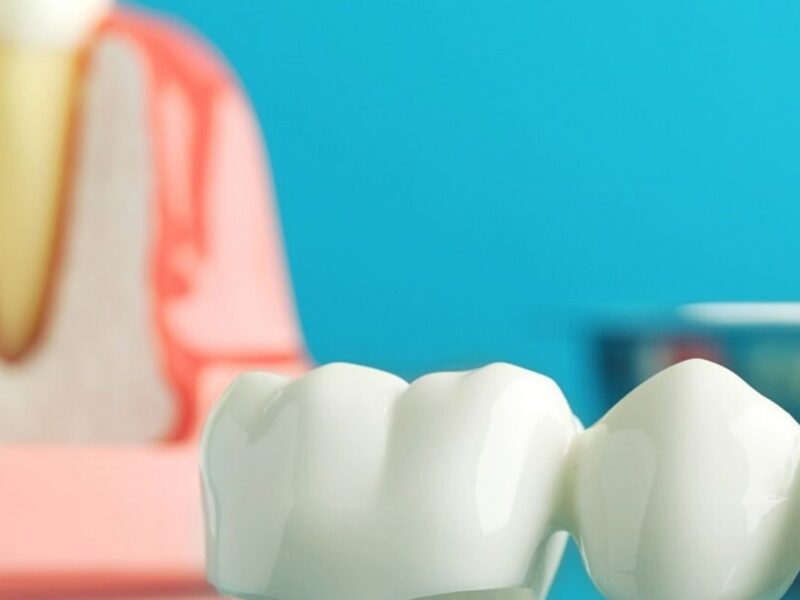
A crown is a custom-made cap that covers a damaged or weakened tooth. That description is accurate, but it barely explains why crowns matter. In day-to-day practice, a crown acts more like a protective shell and a structural rebuild. It takes a tooth that can no longer handle normal biting forces and gives it a second chance.
Teeth crack in different ways. Sometimes there is a visible chip after biting ice or hard candy. Sometimes the problem starts with an old silver filling that has expanded over the years and left the remaining tooth walls thin. In other cases, decay has hollowed out a tooth so extensively that another filling would be more patch than tooth. A well-made crown redistributes pressure and protects what remains.
Patients often assume a crown is only necessary when a tooth is in terrible shape. That is not always true. One of the best times to place a crown is before a weakened tooth breaks beyond repair. A molar with a large cavity may still feel fine. A back tooth after root canal treatment may not hurt at all. Yet both can be vulnerable. Waiting until pain appears can sometimes mean the crack has already traveled too far.
Why Southgate patients are looking at crowns sooner
Dental decisions are usually personal, but they are also shaped by local habits, schedules, and expectations. Southgate families, working adults, and retirees are balancing busy calendars with rising healthcare awareness. More people are keeping their natural teeth longer than previous generations did, which means they are also trying harder to preserve them when damage occurs.
There is another factor that often gets overlooked. Patients are better informed than they used to be. They come into appointments having read about treatment options, looked at before-and-after photos, and asked friends about their experience. That does not mean online research is always accurate, but it does mean conversations around care are changing. Instead of asking, “Can you just fill it?” many now ask, “What will last?” That shift matters.
For a patient with a large fracture line on a premolar, a filling may be cheaper up front, but if the tooth keeps breaking, that “simple fix” can become the more expensive choice over time. People are learning that durability has value. They are also learning that modern crowns can look remarkably natural, especially when matched carefully to nearby teeth.
The phrase Dental Crowns Southgate CA comes up often because patients are searching for local treatment they can trust, not only a generic procedure. They want a dentist who understands bite alignment, materials, esthetics, and long-term maintenance. Crowns are not interchangeable products. The difference between a crown that feels seamless for fifteen years and one that feels bulky after six months often comes down to planning and precision.
Function matters more than most people expect
When patients think about dental work, they usually start with appearance. A cracked front tooth is obvious, so concern makes sense. But the strongest motivation for crowns often turns out to be function.
Chewing should not require strategy. Yet many people spend months or years favoring one side of the mouth because one tooth feels tender. Others avoid nuts, crusty bread, or cold drinks because a damaged tooth has become unpredictable. They adapt so gradually that they stop noticing how much compensation is happening.
Once a crown is placed well and the bite is adjusted correctly, the difference can be striking. Patients describe feeling balanced again. Food no longer catches in a broken edge. Jaw tension often improves when a person stops guarding one side. Even speech can feel more natural if the damaged tooth was near the front and had altered tongue placement.
This is especially true for molars. Back teeth do the heaviest work, and when one weakens, the rest of the bite starts absorbing forces it was not meant to handle. Saving that tooth with a crown can help protect neighboring teeth from excess strain.
The appearance factor is real, and patients should not feel shallow for caring
Dentistry has always involved confidence, whether clinicians say it plainly or not. A damaged tooth can affect how a person smiles in photos, speaks in meetings, or laughs at dinner. Even when the tooth is not visible all the time, people are acutely aware of flaws in their own mouths.
Modern crowns are part of the reason demand has increased. Materials have improved. Shade matching is better. Dental labs and digital systems can create restorations with lifelike contours and translucency that were much harder to achieve decades ago. A front tooth crown still requires careful skill, especially under bright light or next to natural enamel, but the results can be excellent when handled thoughtfully.
There is also a psychological side. Many patients tolerate a worn, darkened, or broken tooth longer than they should because they believe restorative work will look artificial. Then they see a friend or relative whose crown is nearly impossible to spot. That changes their expectations overnight.
The best crowns do not draw attention to themselves. They disappear into the smile.
Why crowns are replacing repeated patchwork repairs
Every dentist has seen the cycle. A small filling turns into a larger filling. Then one corner of the tooth chips. Another repair is placed. A year later, a wall breaks off. At that point, the tooth is still technically restorable, but only if enough structure remains to support something stronger than another filling.
This patchwork approach is understandable. People want conservative care. They want to avoid larger procedures if possible. Dentists want that too. No ethical clinician jumps to a crown when a simple restoration will do the job well.
The issue is that conservative treatment has limits. A heavily restored tooth may behave more like a weakened shell than a sound tooth. Every additional repair removes a little more structure and asks the remaining walls to withstand pressure they were not designed to handle. Crowns become attractive because they stop that cycle. Instead of repeatedly patching the edges of failure, they rebuild the tooth in a more stable way.
That is a major reason more residents seeking Dental Crowns Southgate CA are making the choice earlier. They are tired of temporary answers to long-running problems.
Root canals and crowns often go hand in hand
One of the most common questions patients ask is whether a crown is really necessary after a root canal. The answer depends on the tooth, the amount of remaining structure, and the forces that tooth handles every day. But in many cases, especially for molars and premolars, a crown is strongly recommended for good reason.
A root canal removes infected or inflamed tissue from inside the tooth, which can save it from extraction. What it does not do is make the tooth stronger. In fact, teeth that have needed root canal treatment are often already structurally compromised from decay, deep fillings, or cracks. They may no longer have the resilience of an untouched tooth.
A crown protects that investment. Without it, a root canal treated back tooth can fracture, sometimes badly enough that the entire tooth is lost. Patients are often frustrated when they hear this after already committing to one procedure, but it is better to understand the full picture upfront. Saving a tooth usually takes both internal treatment and external reinforcement.
The treatment process is more comfortable than many people expect
Crowns still carry an old reputation. Some people imagine a long, uncomfortable process with messy impressions and weeks of inconvenience. That can happen in complex cases, but it is not the norm in many modern practices.
Typically, the dentist evaluates the tooth, takes images, and determines whether the tooth can be predictably restored. If a crown is appropriate, the tooth is shaped so the restoration can fit securely. A temporary crown is often placed while the final one is made, unless the office offers same-day fabrication in suitable cases. Once the permanent crown is ready, the dentist checks the fit, bite, and appearance before bonding or cementing it into place.
Most patients tolerate the process well. Local anesthesia keeps the procedure comfortable, and tenderness afterward is usually manageable for a few days. The bigger adjustment is often mental, not physical. People are waiting for something to feel strange, and then they are surprised by how ordinary it feels once the bite is balanced correctly.
That said, there are edge cases worth mentioning. If a tooth is deeply cracked or the gum tissue is inflamed before treatment, the process may require extra steps. If a patient clenches or grinds heavily, the crown may need additional design considerations, and a night guard may be part of the long-term plan. Good dentistry is never just about placing a restoration. It is about making that restoration function in a real mouth with real habits.
Material choices play a role in popularity
Crowns are not one-size-fits-all. The rise in interest also reflects the fact that patients now have more material options, each with strengths and compromises.
All-ceramic crowns are popular for visible teeth because they can look very natural. Zirconia is often chosen for its durability, especially in areas that handle heavy force. Porcelain fused to metal still has a place in some situations, though many patients prefer metal-free options when feasible. Gold crowns, while less common today, remain an excellent functional choice in certain back-tooth cases because they are durable and kind to opposing teeth.
No material is perfect for every person. A patient with severe grinding may prioritize strength over the most translucent esthetic result. A front tooth may require a different approach than a lower molar. This is another reason patients are choosing established local providers for Dental Crowns Southgate CA rather than treating crown placement like a commodity purchase. Matching the right crown to the right tooth takes judgment.
Cost matters, but so does the cost of delay
It would be unrealistic to discuss crowns without addressing finances. Crowns are more expensive than standard fillings, and for some patients that is the hardest part of the decision. Insurance may help, but coverage varies widely. Waiting can seem like the practical move.
Sometimes waiting is reasonable. If a tooth can be monitored safely and the risk is low, a patient Dental Crowns Southgate CA may choose to postpone. But delay becomes expensive when the tooth breaks deeper, develops infection, or becomes unrestorable. Then the alternatives may involve extraction, bone loss, an implant, or a bridge, all of which can cost significantly more and require more time.
The most useful way to think about a crown is not as a bill for one appointment, but as a way of preserving a tooth that is still salvageable. That perspective does not make the cost disappear, but it often clarifies the value.
Patients who ask smart questions usually make better decisions. They want to know how urgent the problem is, how long the crown is likely to last, whether there are lower-cost alternatives, and what could happen if they wait six months. Those are exactly the right questions.
Who tends to benefit most from crowns
Crowns are especially common in a few situations that show up repeatedly in everyday practice.
- Teeth with large, failing fillings and little healthy structure left
- Back teeth that have had root canal treatment
- Cracked or fractured teeth that still have enough support to save
- Severely worn teeth from grinding or acid erosion
- Front teeth that need both structural repair and cosmetic improvement
This does not mean every damaged tooth needs full coverage. Conservative care is still preferable when it can provide a stable result. But when a tooth is already compromised, a crown often becomes the more responsible option rather than the more aggressive one.
What patients should look for before moving forward
Choosing a crown is one decision. Choosing who will place it is another. A crown can fail for many reasons that have little to do with the material itself. Poor fit, unresolved decay, weak bite planning, or inadequate oral hygiene can shorten its lifespan dramatically.
Patients do well when they pay attention to how a dentist explains the case. If the clinician can show why the tooth needs full coverage, discuss alternatives honestly, and set realistic expectations about longevity, that is usually a good sign. It also helps when the office discusses maintenance. A crown is not invincible. It can chip, loosen, or fail if the underlying tooth develops decay or if the bite is overloaded night after night.
After placement, the basics still matter. Brush carefully at the gumline. Floss daily. Keep recall visits. Report any bite that feels high or any sensitivity that does not improve. Small issues are easier to correct early.
Many crowns last well over a decade, and some last much longer, but lifespan depends on habits, anatomy, and the original condition of the tooth. Dentistry works best when optimism stays paired with realism.
The local appeal of getting treatment close to home
Practicality has its own influence. People prefer care that fits their lives. For Southgate residents, staying local means less time away from work, easier follow-up visits, and better continuity if an adjustment is needed. Crowns often require at least two visits unless done same-day, and even beautifully made restorations sometimes need a minor bite refinement after a patient has chewed on them for a week.
That convenience factor should not be dismissed. When dental care is easier to access, patients are more likely to move forward before a problem worsens. They are also more likely to return for preventive care, which protects the crown and the rest of the mouth.
The rising interest in Dental Crowns Southgate CA reflects more than a trend. It reflects a broader shift toward preserving natural teeth, investing in lasting solutions, and expecting dental care to improve both daily comfort and long-term oral health.
Crowns are often about keeping options open
One of the least appreciated benefits of a crown is that it can preserve future choices. Once a tooth is extracted, the conversation changes completely. Replacing a missing tooth may involve an implant, a bridge, or living with the space. Each option has advantages, but none is exactly the same as keeping a healthy natural root in place.
A crown can buy years, often many years, for a tooth that might otherwise be lost. For a patient in their forties or fifties, that matters. For an older adult who wants stable chewing and fewer major procedures, it matters too. Even for younger adults, preserving tooth structure early can reduce the chance of more invasive treatment later.
That is why crowns continue to gain traction. They sit at the crossroads of prevention and restoration. They are not minor treatment, but they are often the step that prevents much bigger treatment.
When people weigh pain, appearance, durability, convenience, and long-term value, crowns make sense for more cases than they once seemed to. Not every damaged tooth needs one. Not every patient is ready right away. But for many in Southgate, the decision comes down to this: if a tooth can be saved well, most people would rather save it than gamble on patchwork repairs or wait for a crisis.
That practical instinct, more than anything, explains why more people are choosing dental crowns now.
Simple Dental South Gate
Address: 8617 California Ave, South Gate, CA 90280
Phone number: +13236896118
FAQ About Dental Crowns Southgate CA
How much do crowns cost per tooth?
In the United States, a single dental crown typically costs between $800 and $2,500 per tooth without insurance. The ultimate out-of-pocket price depends heavily on the crown material, the location of the tooth, and whether you have dental insurance coverage.
What is the downside of crowns on teeth?
The primary downside of a dental crown is that the procedure permanently removes natural tooth enamel to shape the tooth for the cap.
Why do dentists push for crowns?
Dentists recommend crowns because a large filling cannot provide enough strength when a tooth loses a major portion of its structure or faces heavy chewing pressure.